
Addiction

Addiction

$17.2M Awarded to Addiction Research since 1987

The Latest Research Discoveries

Posted:

Key Figures

20 million

Nearly 20 million people aged 12 or older had a substance use disorder (alcohol or illicit drugs) in the past year.

3.3 million

The harmful use of alcohol results in the death of 3.3 million people annually.*

Meet a Researcher

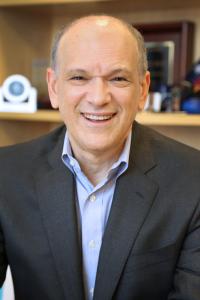
Eric J. Nestler, M.D., Ph.D.

Eric J. Nestler, M.D., Ph.D.

Eric J. Nestler, M.D., Ph.D.

bbrf awards icon Title & Institution

Nash Family Professor of Neuroscience

Chair, Department of Neuroscience

Director, Friedman Brain Institute

Icahn School of Medicine at Mount Sinai

bbrf awards icon BBRF Awards & Recognition

Scientific Council Member (Joined 1997)

2009 Falcone Prize for Outstanding Achievement in Affective Disorders Research (Colvin Prize)

2008 Goldman-Rakic Prize for Outstanding Achievement in Cognitive Neuroscience Research

1996 Distinguished Investigator Grant

bbrf awards icon Bio

Dr. Nestler studies the molecular basis of addiction and depression in animal models, focusing on the brain pathways that regulate responses to natural rewards such as food, sex and social interaction. His research has established that drug- and stress-induced changes in genetic transcription factors and chromatin remodeling mechanisms in reward pathways mediate long-lived behavioral changes relevant to addiction and depression.



Before moving to Mount Sinai, Dr. Nestler was Chair of Psychiatry at the University of Texas Southwestern Medical Center at Dallas and the Director of the Abraham Ribicoff Research Facilities and the Division of Molecular Psychiatry at Yale.

   Ask an Expert

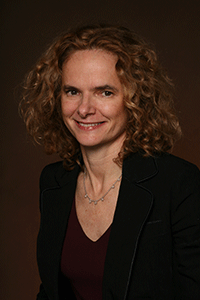
Nora D. Volkow, M.D.

Nora D. Volkow, M.D.

Nora D. Volkow, M.D.

bbrf awards icon Title & Institution

Director, National Institute of Drug Abuse

National Institutes on Health

bbrf awards icon BBRF Awards & Recognition

Scientific Council Member (Joined 2001)

bbrf awards icon Bio

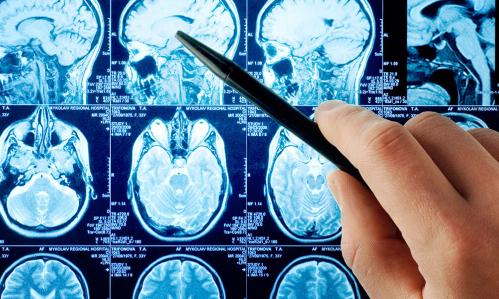
Dr. Volkow pioneered the use of brain imaging to investigate the effects of drugs in the human brain and has demonstrated that drug addiction is a brain disease. She has documented a decrease in function of the dopamine system in addicted subjects and disruption in function of frontal brain regions involved in motivation and drive. Other areas of Dr. Volkow’s research include the neurochemical mechanisms responsible for variability in response to drugs among individuals; the rewarding and therapeutic effects of drugs; and changes in the dopamine system that occur with aging. She has shown that loss of dopamine brain function with age even in healthy subjects with no neurological dysfunction is associated with motor slowing and changes in cognitive task ability. She is currently focusing on strategies to minimize these losses.

Dr. Volkow was named one of Time magazine’s “Top 100 People Who Shape our World”, included as “One of the 20 People to Watch” by Newsweek magazine and named “Innovator of the Year” by U.S. News & World Report.

Meet the Scientist Webinar

Addiction as a Brain Disease: What Does it Mean?

Learn More About the Foundation

WhoWe Are

The Brain & Behavior Research Foundation is a global nonprofit organization focused on improving the understanding, prevention and treatment of psychiatric and mental illnesses.

Read more

OurImpact

Beginning in 1987, the Brain & Behavior Research Foundation was providing seed money to neuroscientists to invest in “out of the box” research that the government and other sources were unwilling to fund. Today, Brain & Behavior Research Foundation is still the leading, private philanthropy in the world in this space.

Read more

OurPeople

Meet the people who make up the Brain & Behavior Research Foundation. Our staff of experts, passionate Board of Directors, and Scientific Council which includes Nobel prize winners and chairs of psychiatric departments around the world.

Read More

Annual Report& Financials

We take our responsibility to our donors seriously and believe that our financial operations must be transparent. We're proud to say that 100% of your contribution for research is invested directly in research grants.

Read more

FAQs

Frequently Asked Questions about the Brain & Behavior Research Foundation.

Read more

MediaCenter

The latest news on brain and behavior research and issues that matter most to you.

Read more