
Post-Traumatic Stress Disorder (PTSD)

Post-Traumatic Stress Disorder (PTSD)

$15.4M Awarded to PTSD Research since 1987

The Latest Research Discoveries

Key Figures

3.6%

3.6% of the US Adult population experienced post-traumatic stress disorder (PTSD) in the past year.*

5% of children age 13-18

5% of adolescents age 13-18 in the US experience PTSD in their lifetime.*

8 million adults

About 8 million adults have PTSD during a given year. This is only a small portion of those who have gone through a trauma.*

Meet a Researcher

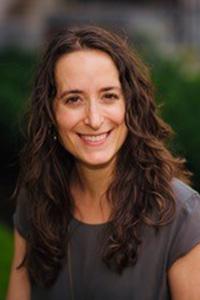
Katie A. McLaughlin, Ph.D.

Katie A. McLaughlin, Ph.D.

Katie A. McLaughlin, Ph.D.

bbrf awards icon Title & Institution

Executive Director, The Ballmer Institute for Children’s Behavioral Health

University of Oregon

bbrf awards icon BBRF Awards & Recognition

2023 Ruane Prize for Outstanding Achievement in Child and Adolescent Psychiatric Research

2016 Klerman Prizewinner for Exceptional Clinical Research

2013 Young Investigator Grantee

bbrf awards icon Bio

Dr. Katie McLaughlin is a clinical psychologist with interests in how the childhood social environment influences brain and behavioral development in children and adolescents. She has a joint Ph.D. in Clinical Psychology and in Chronic Disease Epidemiology from Yale University and is an Associate Professor of Psychology at the University of Washington.  Her research examines how environmental experience shapes emotional, cognitive, and neurobiological development throughout childhood and adolescence. Dr. McLaughlin’s overarching goal is to understand how adverse environments alter developmental processes in ways that increase risk for psychopathology.  Her research uncovers specific developmental processes that are disrupted by adverse environmental experiences early in life and determines how those disruptions increase risk for mental health problems in children and adolescents. Understanding these mechanisms is critical for the development of interventions to prevent the onset of psychopathology in children who experience adversity. Dr. McLaughlin’s overarching goal is to contribute to greater understanding of the role of environmental experience in shaping children’s development, so as to inform the creation of interventions, practices, and policies to promote adaptive development in society’s most vulnerable members.

Dr. McLaughlin's research has been funded by the National Institute of Mental Health, the National Institute on Minority Health and Health Disparities, the Robert Wood Johnson Foundation, the Jacobs Foundation, the Charles H. Hood Foundation, the Brain and Behavior Foundation, and the IMHRO One Mind Institute.  She has received early career awards from the Society for a Science of Clinical Psychology, the International Society for Traumatic Stress Studies, and the Jacobs Foundation as well as the Distinguished Scientific Award for Early Career Contribution to Psychology from the American Psychological Association.


“Receiving the NARSAD Young Investigator Award has been pivotal to my career, providing the funds for the first large study conducted in my lab, and has fueled numerous additional research projects. In particular, this award was instrumental in helping me obtain a large federal grant from the National Institute of Mental Health.”

Ask an Expert

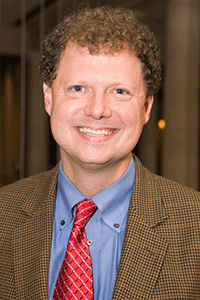
Kerry J. Ressler, M.D., Ph.D.

Kerry J. Ressler, M.D., Ph.D.

Kerry J. Ressler, M.D., Ph.D.

bbrf awards icon Title & Institution

Chief Scientific Officer

Chief, Division of Depression and Anxiety Disorders

James and Patricia Poitras Chair in Psychiatry

Director, Neurobiology of Fear Laboratory

McLean Hospital

Professor of Psychiatry

Harvard University

Professor

Emory University School of Medicine

bbrf awards icon BBRF Awards & Recognition

Scientific Council Member (Joined 2009)

2017 Distinguished Investigator Grant

2009 Freedman Prizewinner for Exceptional Basic Research

2005, 2002 Young Investigator Grant

bbrf awards icon Bio

Dr. Ressler’s work focuses on translational research that bridges basic studies of the mechanisms of fear in animal models with clinical research on the genetics that underlie human fear and anxiety disorders, particularly post-traumatic stress disorder (PTSD). Based on the premise that the neurobiology of emotional learning provides tremendous insight into fear-related disorders, Dr. Ressler’s preclinical laboratory is examining the molecular neurobiology of brain systems that mediate fear and emotion in animals, concentrating on the amygdala, a key brain region involved.

Dr. Ressler received a bachelor’s degree in molecular biology at MIT and received an M.D., Ph.D. from Harvard Medical School. In 1992 at Harvard, he was the first student of Dr. Linda Buck, helping to identify the molecular organization of the odorant receptor family in mice, part of the body of work for which she shared the Nobel Prize in 2004.

Meet the Scientist Webinar

Updates on the Science Behind PTSD

Learn More About the Foundation

WhoWe Are

The Brain & Behavior Research Foundation is a global nonprofit organization focused on improving the understanding, prevention and treatment of psychiatric and mental illnesses.

Read more

OurImpact

Beginning in 1987, the Brain & Behavior Research Foundation was providing seed money to neuroscientists to invest in “out of the box” research that the government and other sources were unwilling to fund. Today, Brain & Behavior Research Foundation is still the leading, private philanthropy in the world in this space.

Read more

OurPeople

Meet the people who make up the Brain & Behavior Research Foundation. Our staff of experts, passionate Board of Directors, and Scientific Council which includes Nobel prize winners and chairs of psychiatric departments around the world.

Read More

Annual Report& Financials

We take our responsibility to our donors seriously and believe that our financial operations must be transparent. We're proud to say that 100% of your contribution for research is invested directly in research grants.

Read more

FAQs

Frequently Asked Questions about the Brain & Behavior Research Foundation.

Read more

MediaCenter

The latest news on brain and behavior research and issues that matter most to you.

Read more